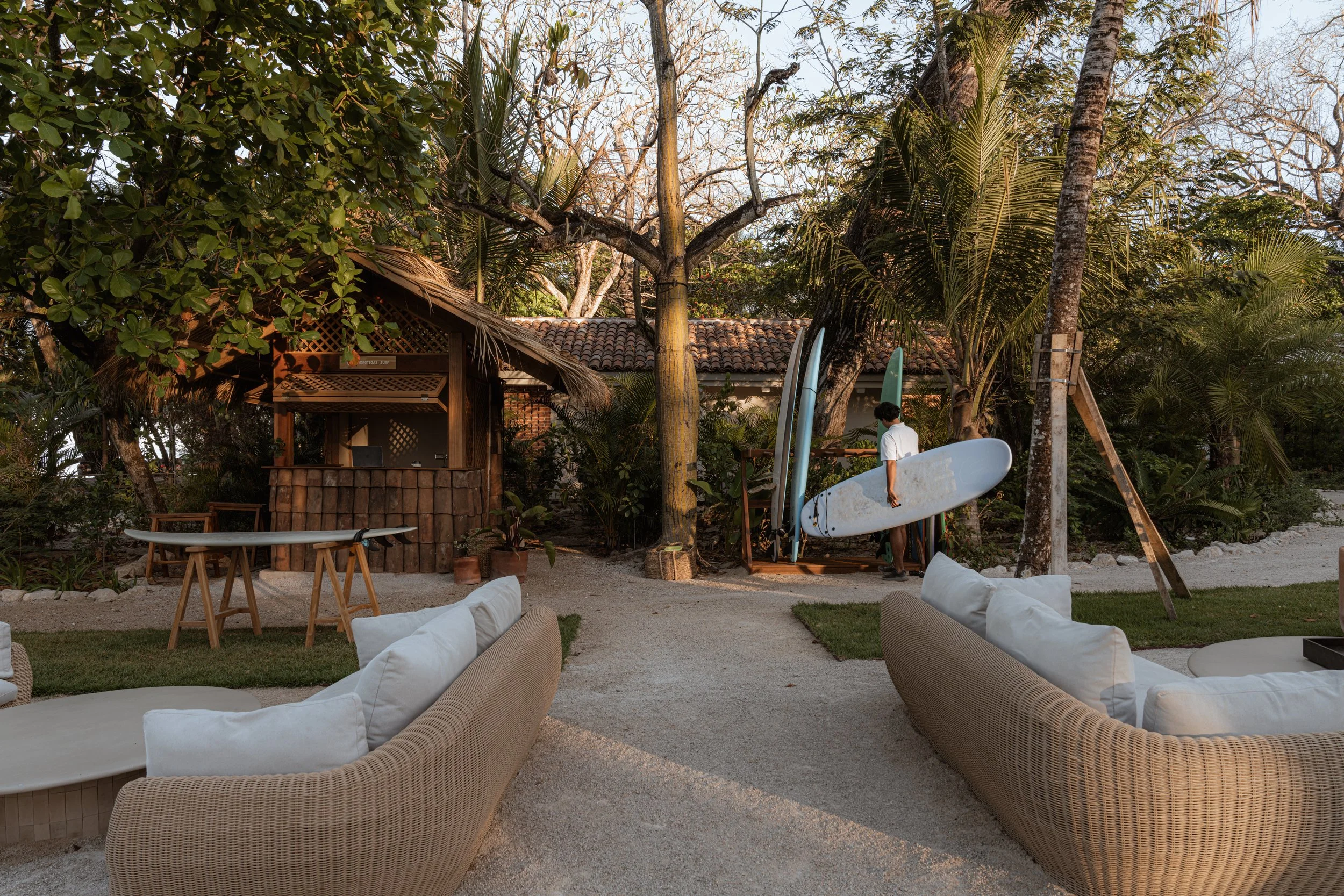
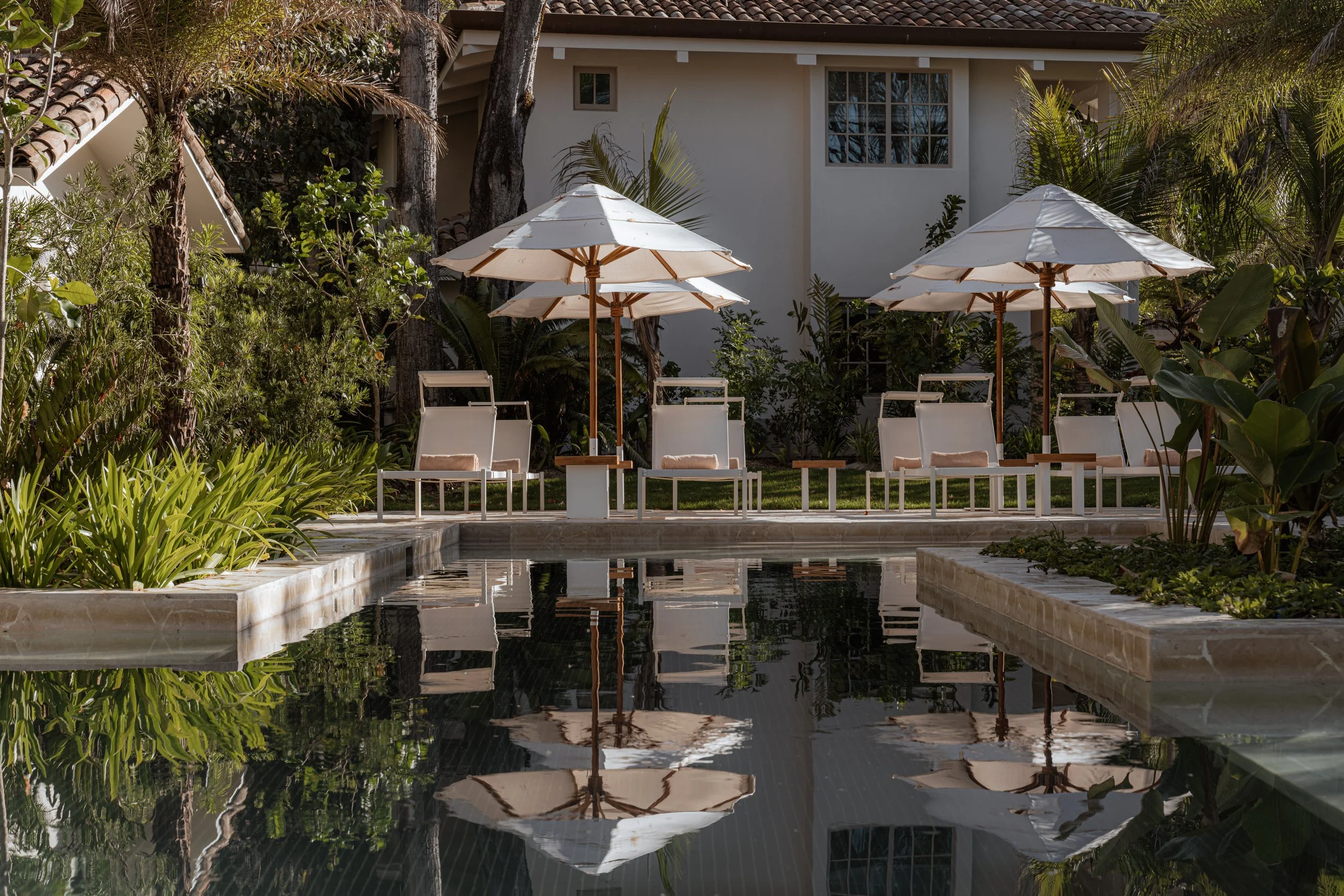
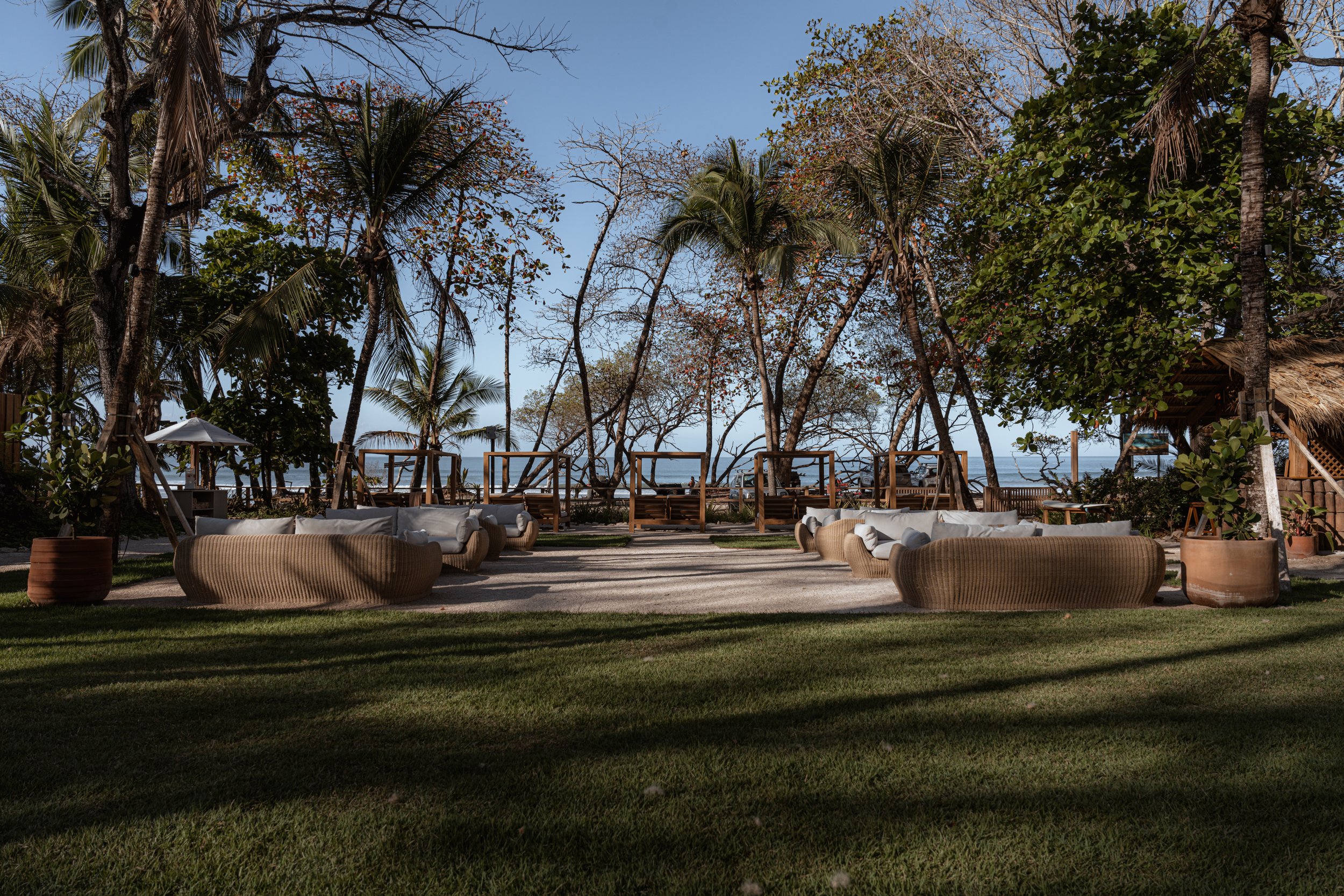
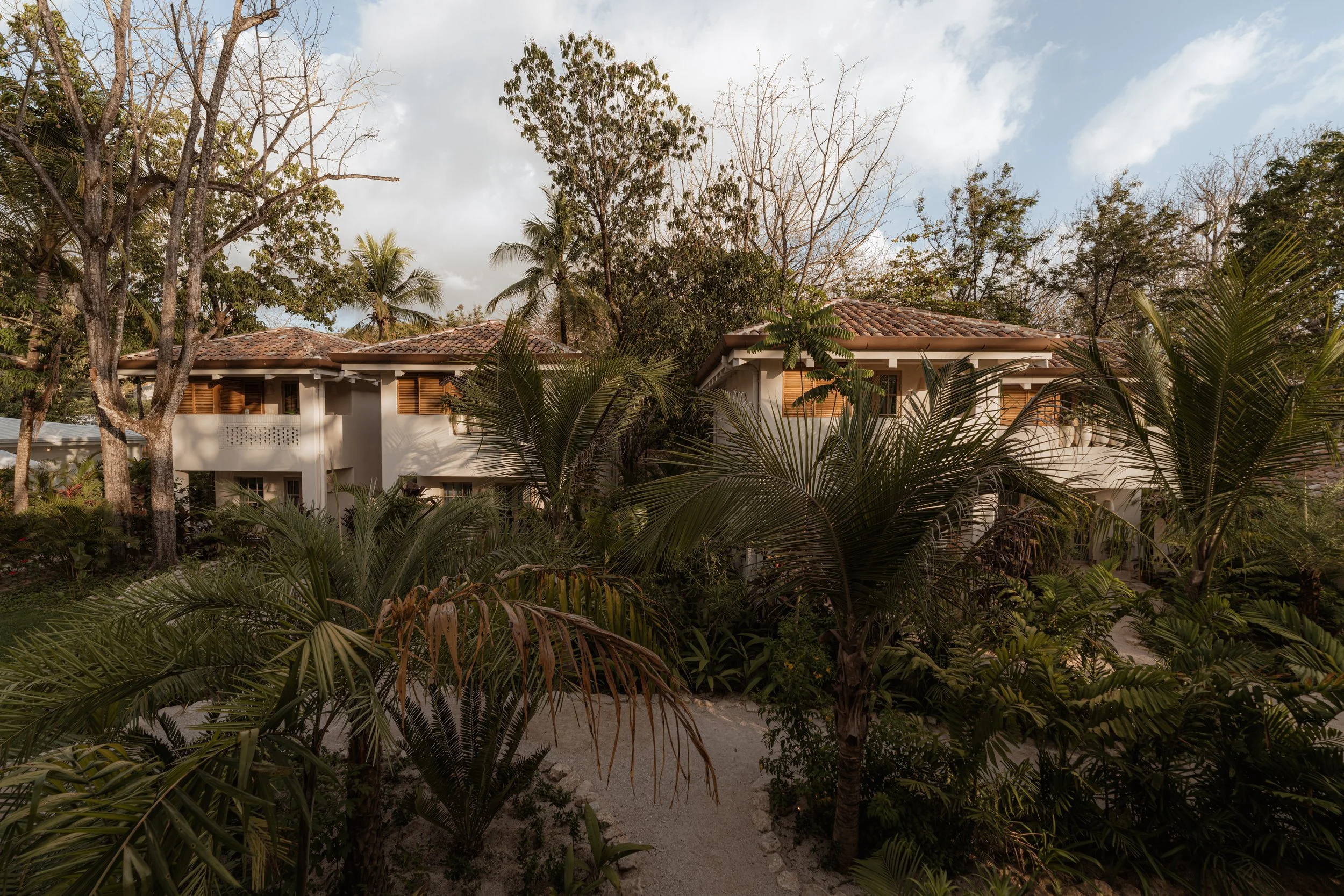
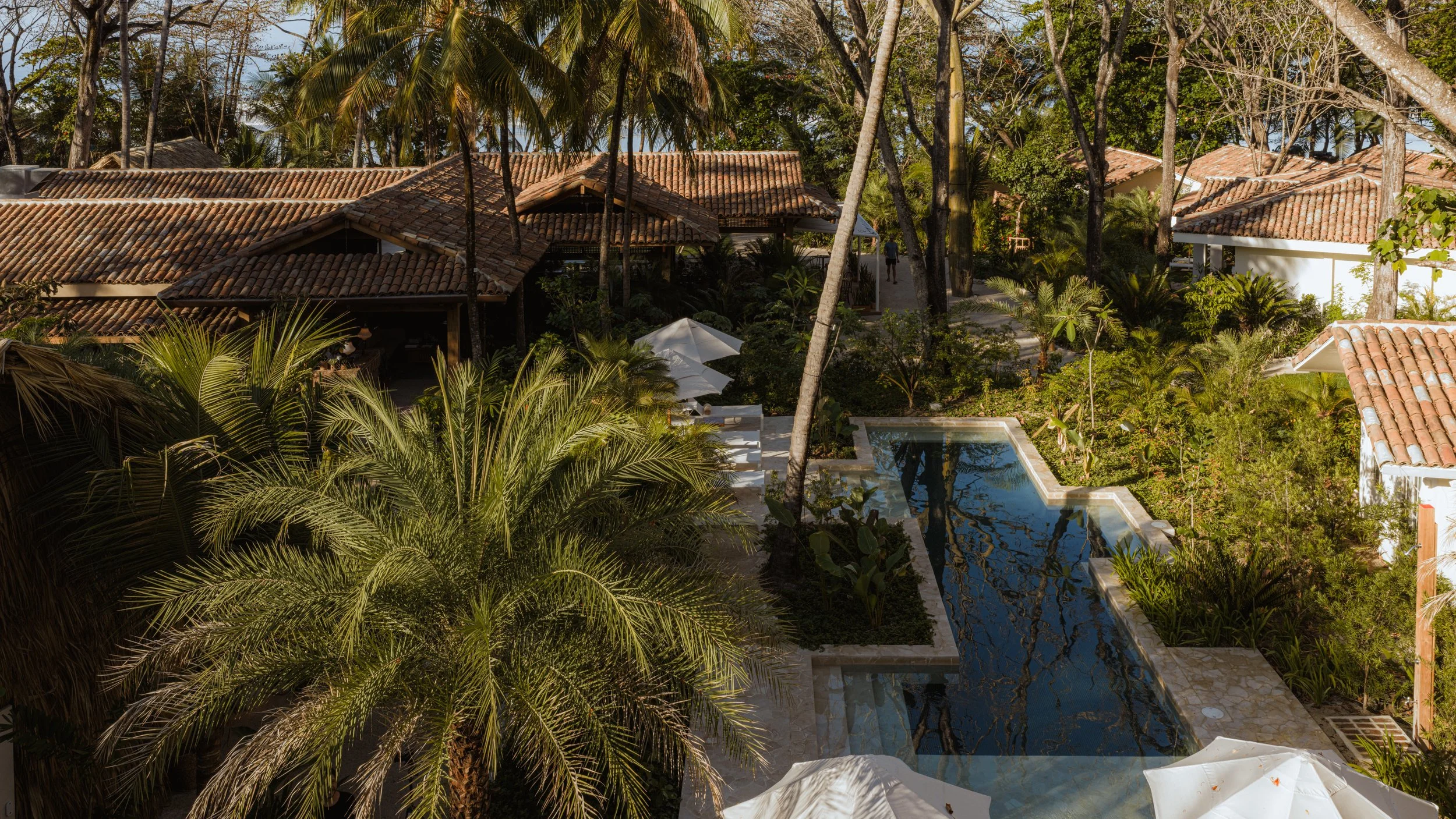
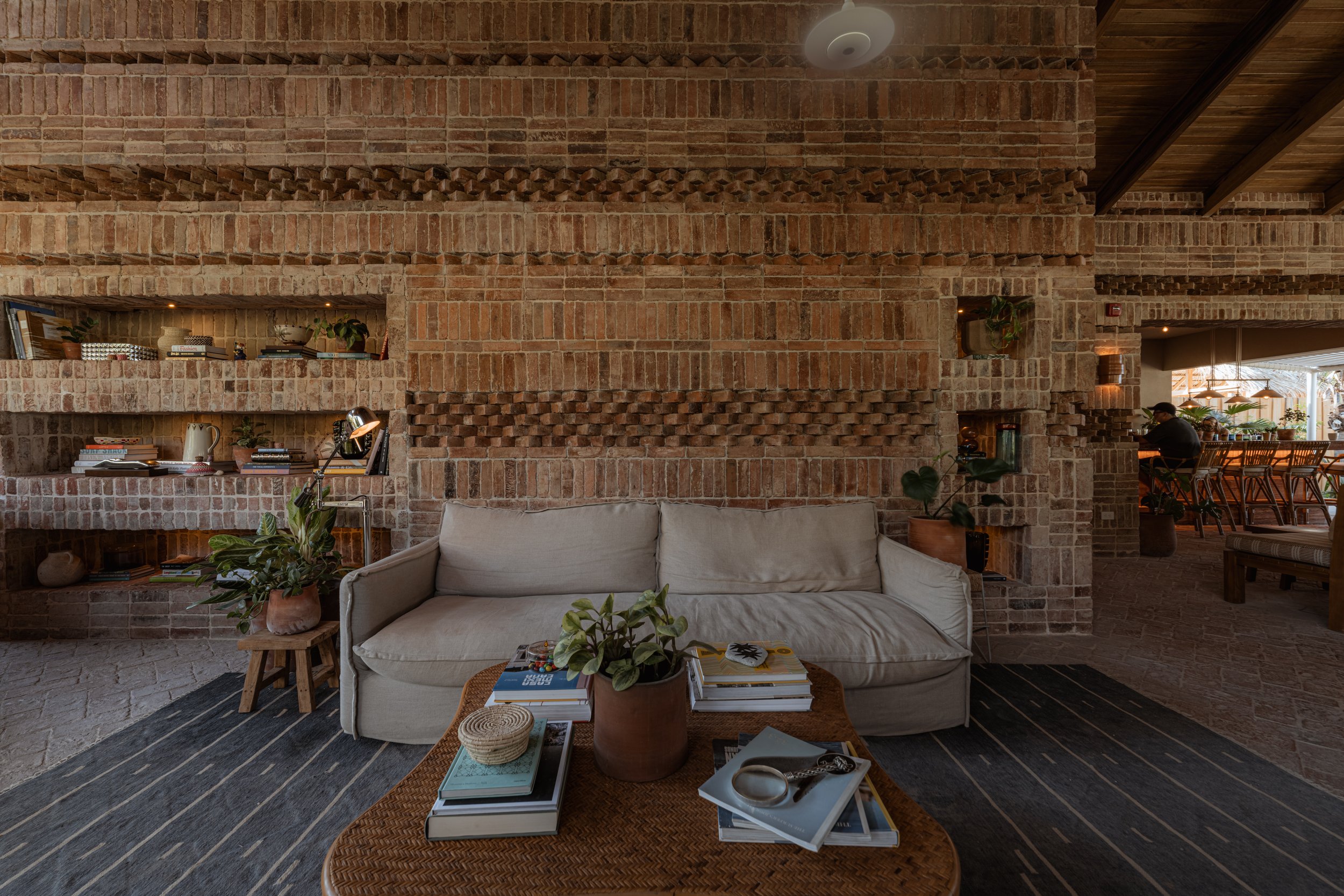
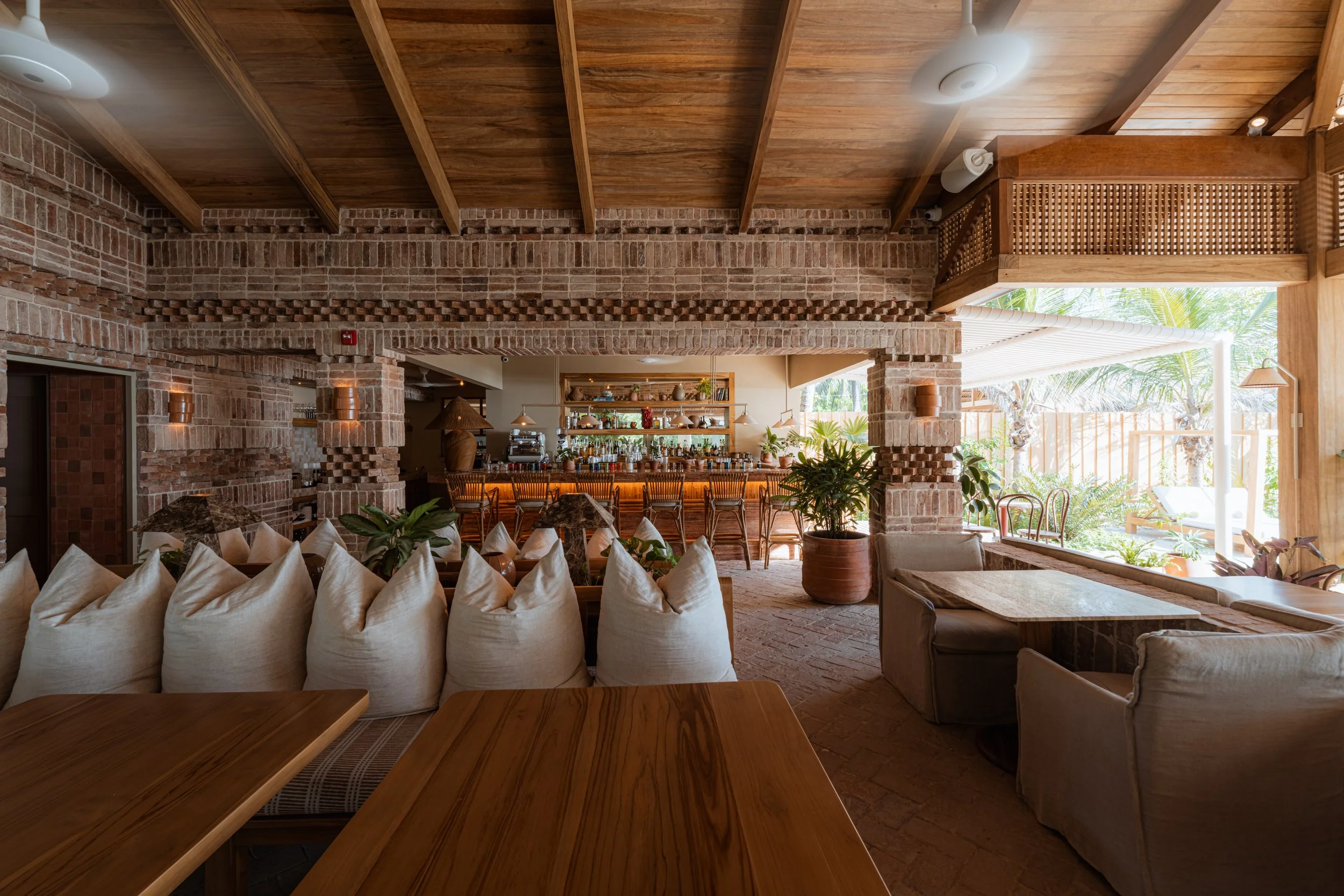
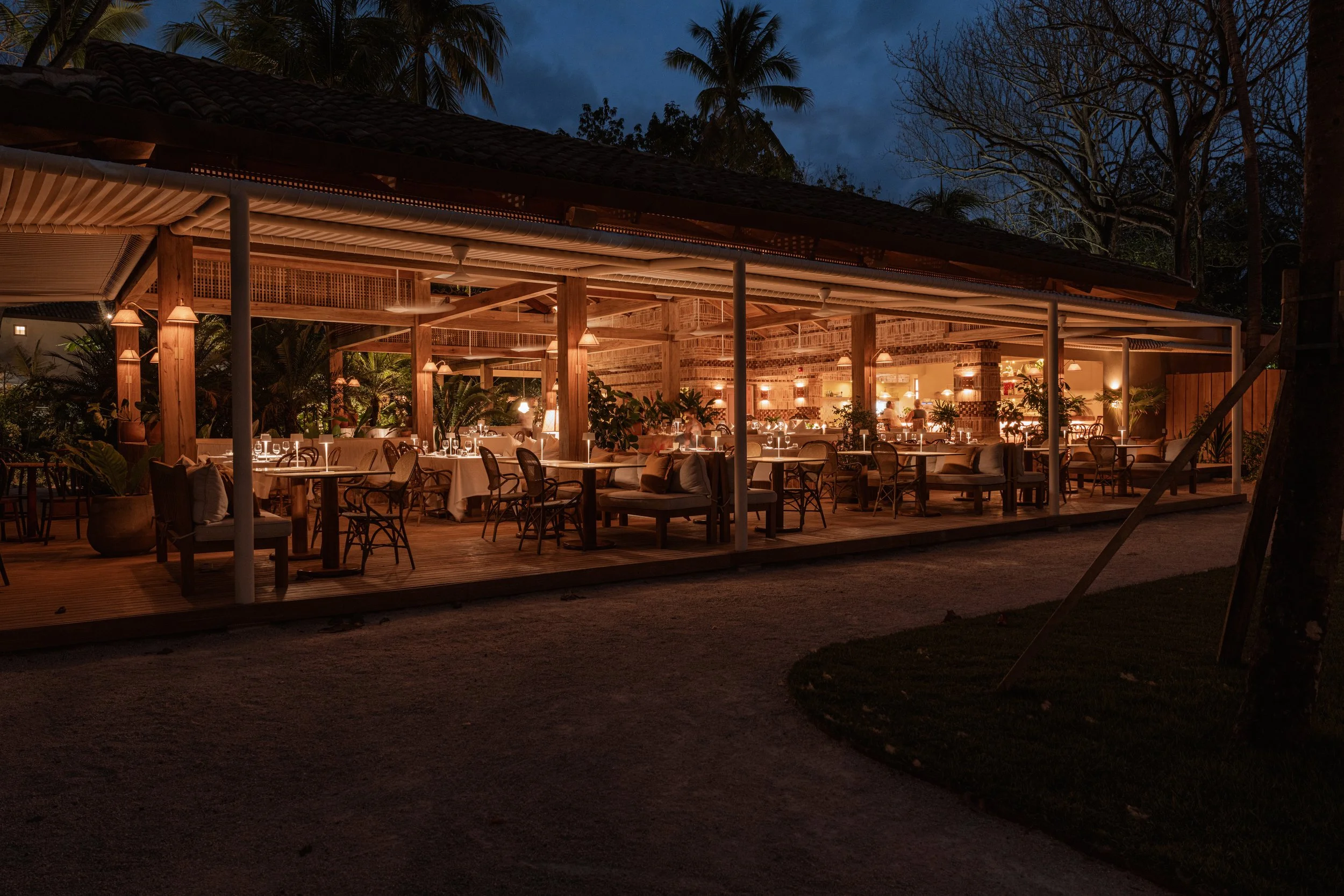
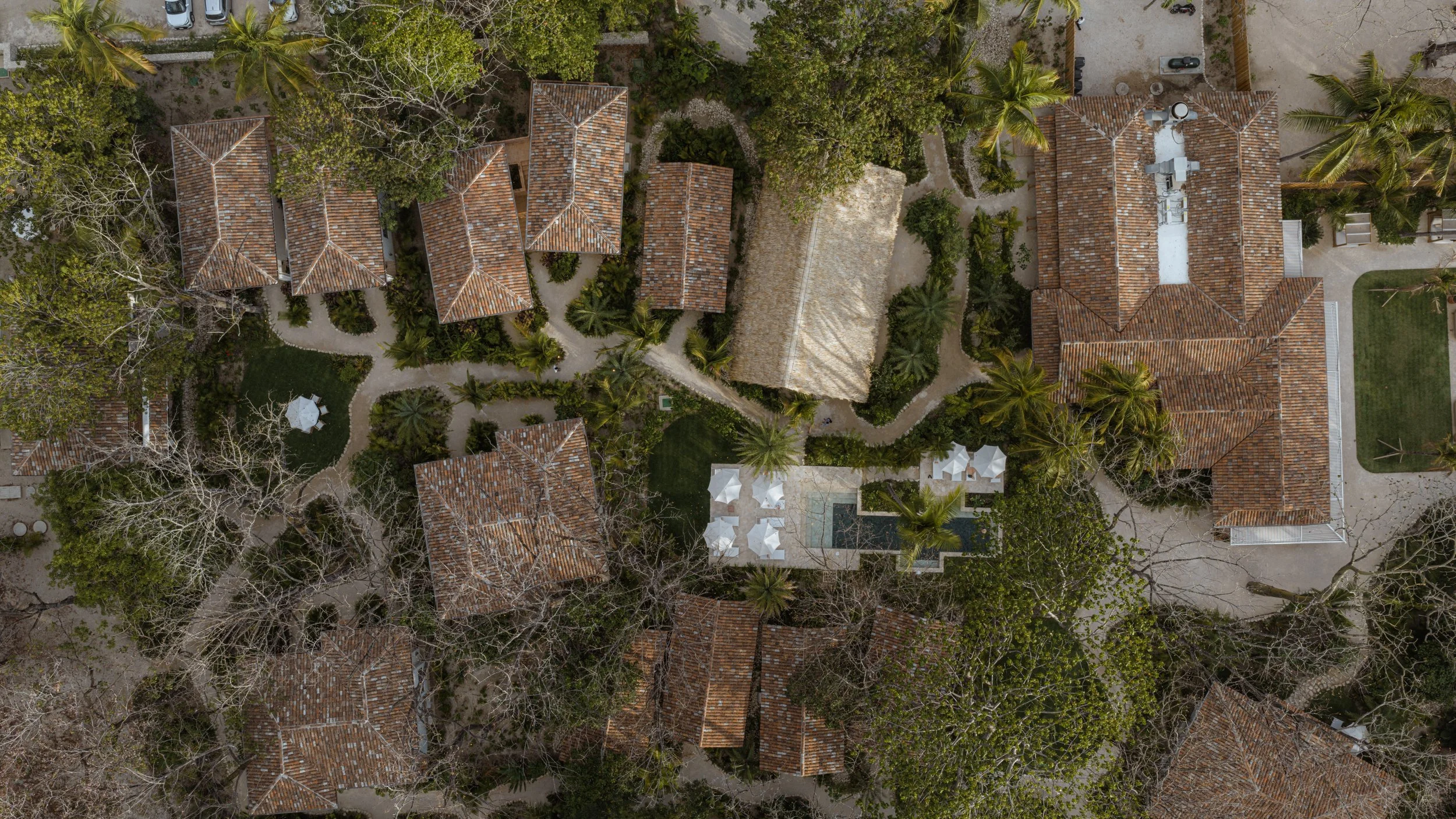
A beachfront luxury hospitality project located in Santa Teresa, Costa Rica, directly facing the iconic La Lora surf break. Designed as a contemporary tropical retreat, emphasizing sustainable architecture, natural ventilation, and locally sourced materials to create a low-impact, immersive experience. Conceived as a place of rhythm and pause, Fermata offers a balance between surf culture, nature, and understated luxury in one of Costa Rica’s most vibrant coastal environments.
Fermata is the result of designing with intention, where architecture, atmosphere, and human experience move together. Open-air spaces, natural materials, and a deep connection to the rhythm of the ocean create a place shaped not just to be seen, but to be lived.
❋
santa teresa, costa ricafermata hotel
typology: hospitality
scope: preliminary studies, master plan, schematic design, construction documents, site visits, work coordination, sourcing, interior design
location: santa teresa, costa rica
status: completed
year: 2025
area: 3,136 m²
luxury connection to the ocean
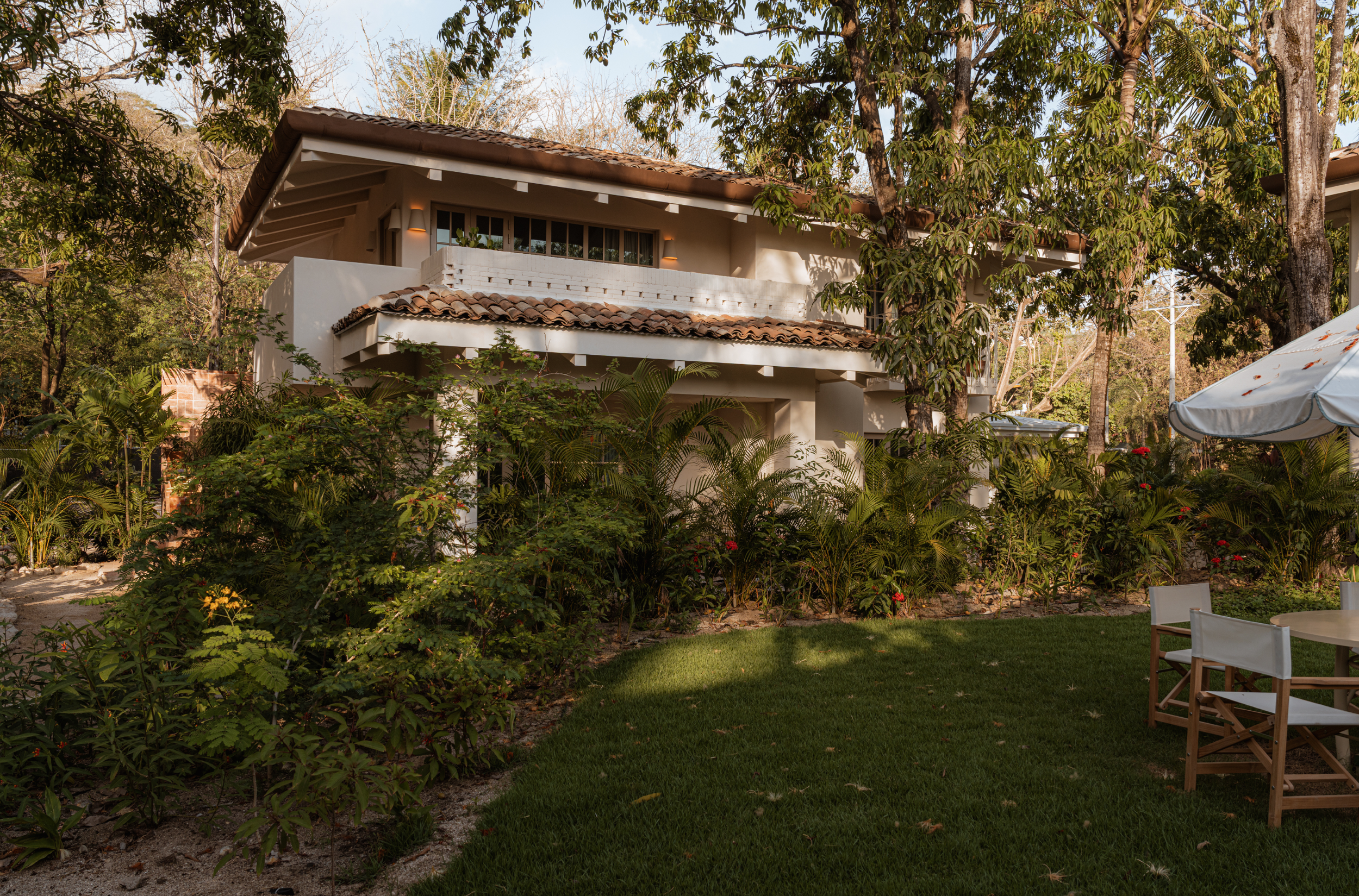
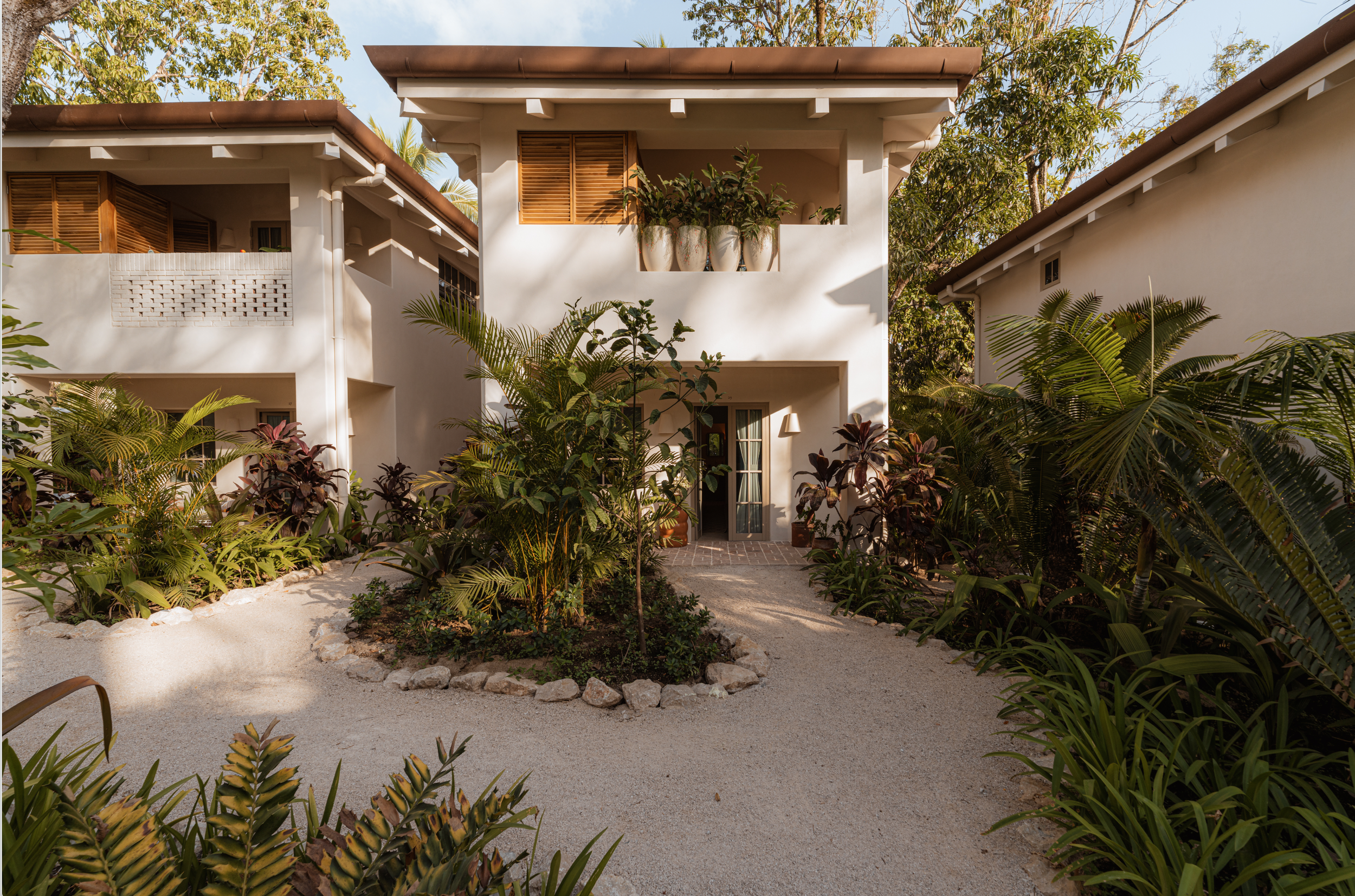
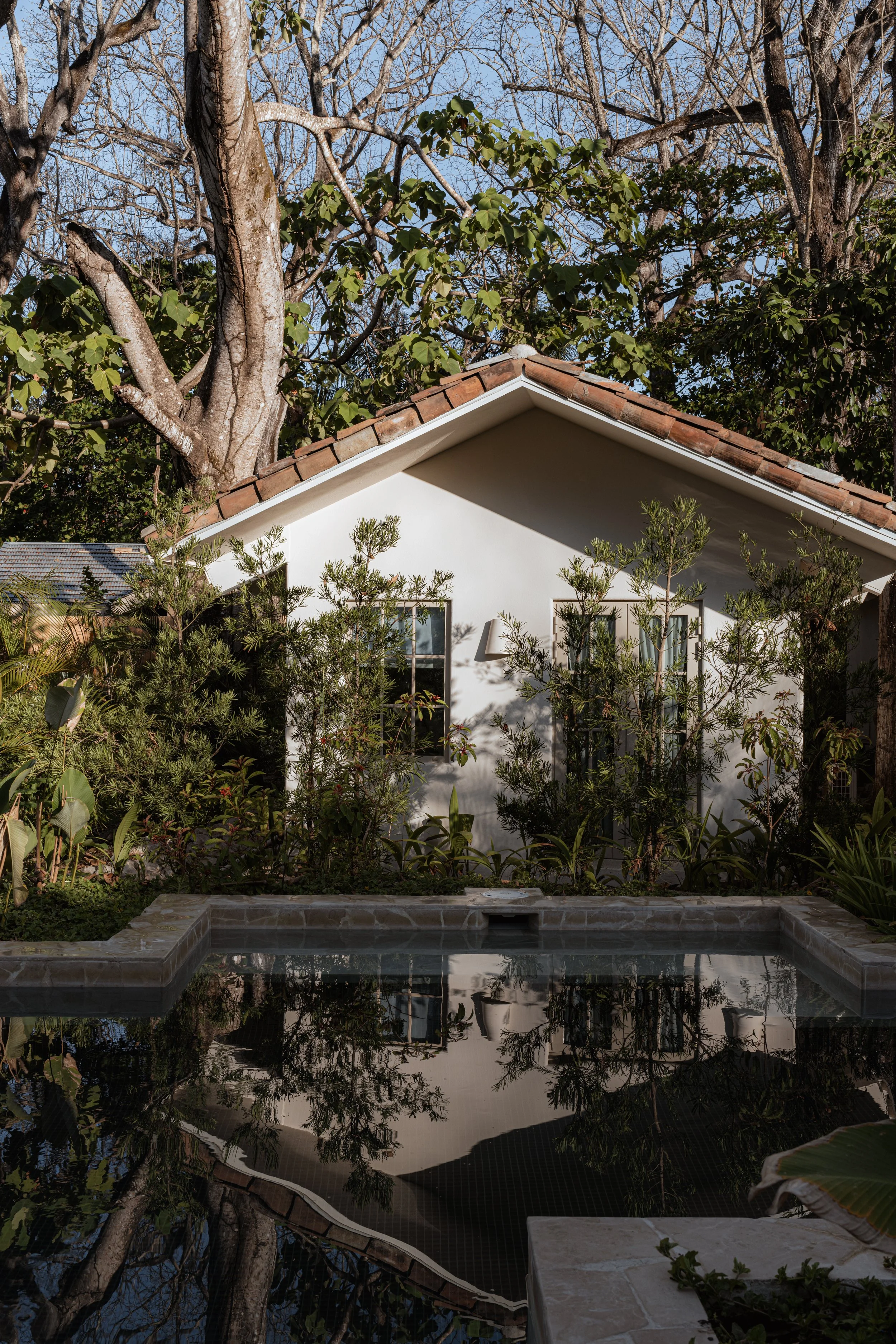
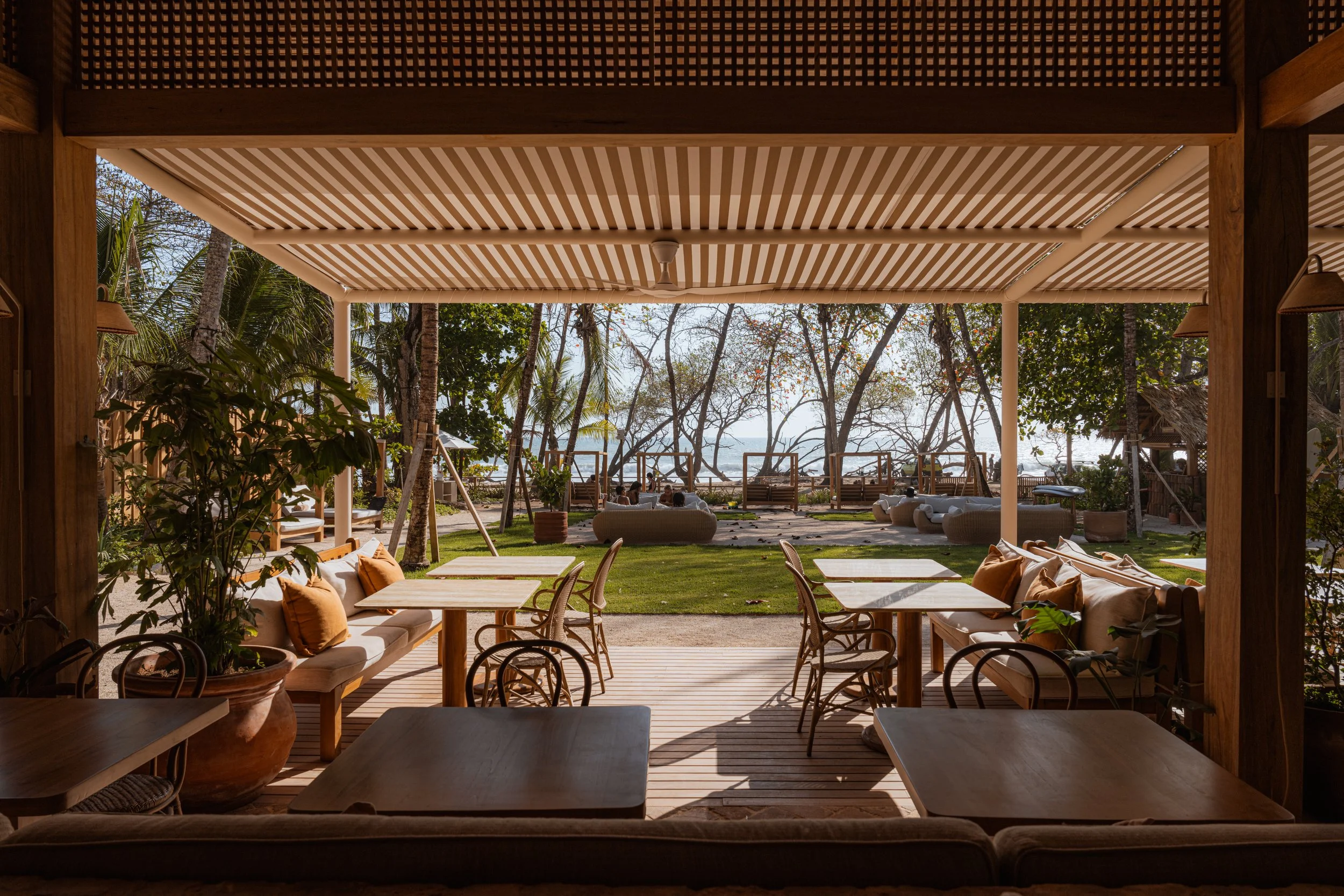
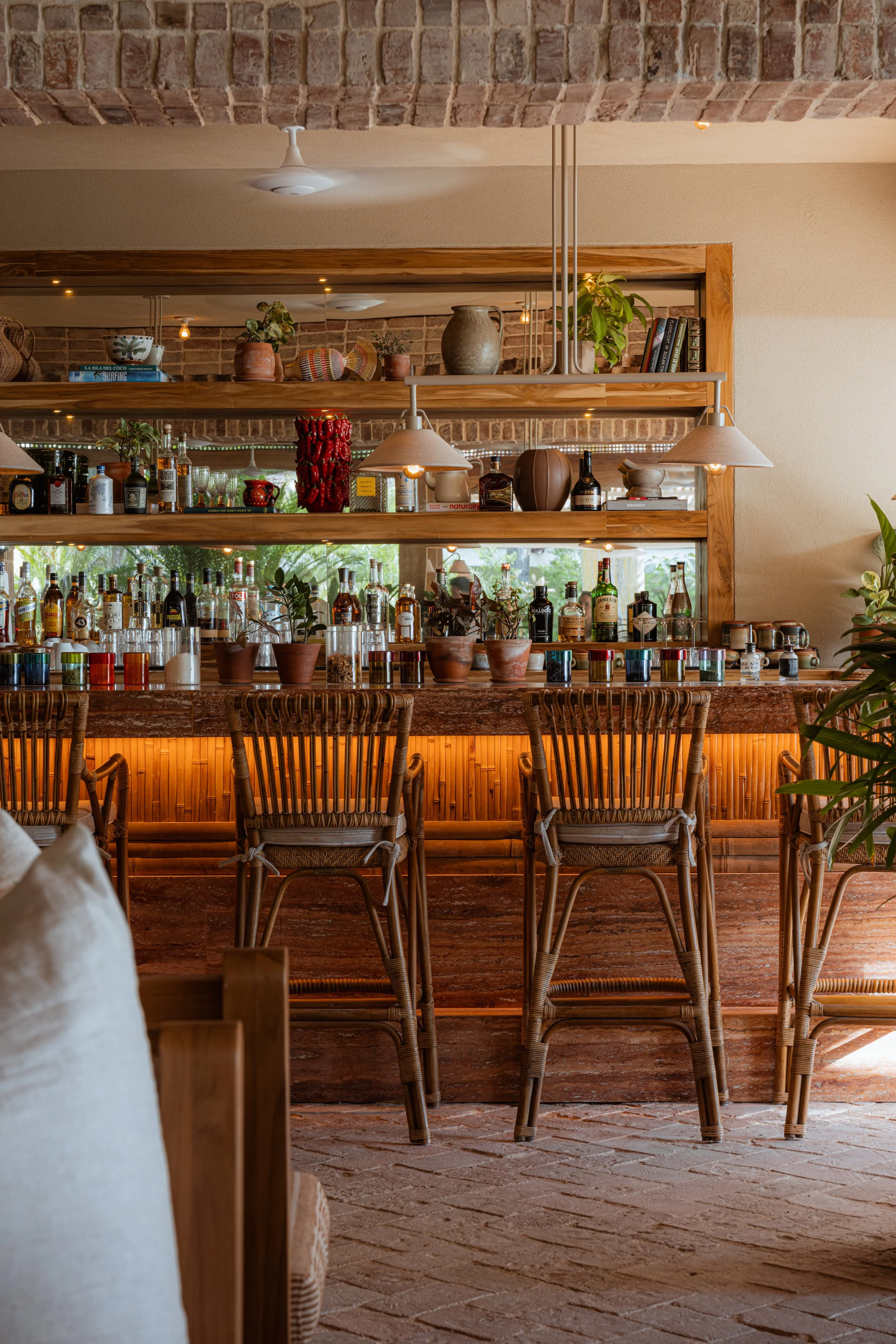
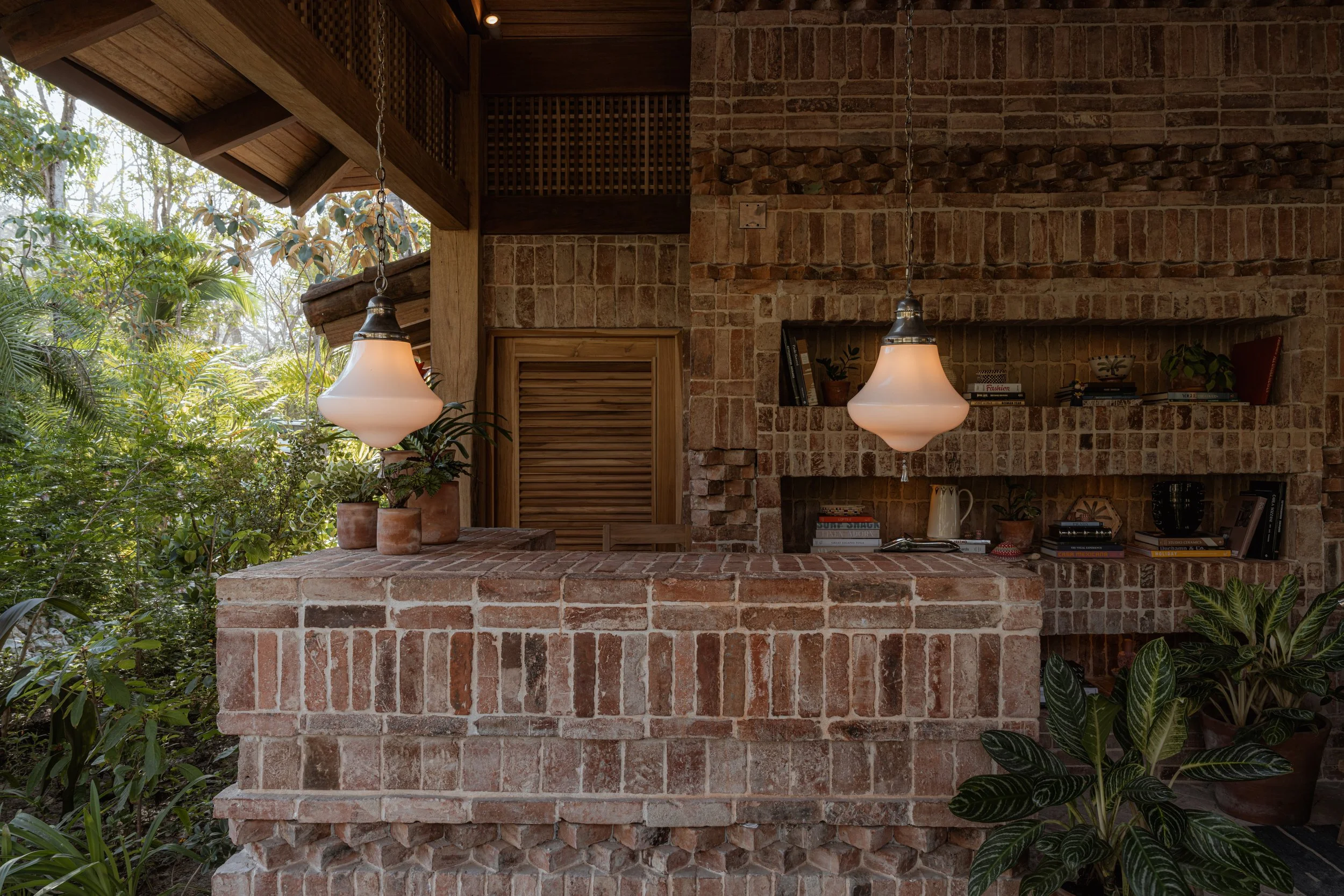
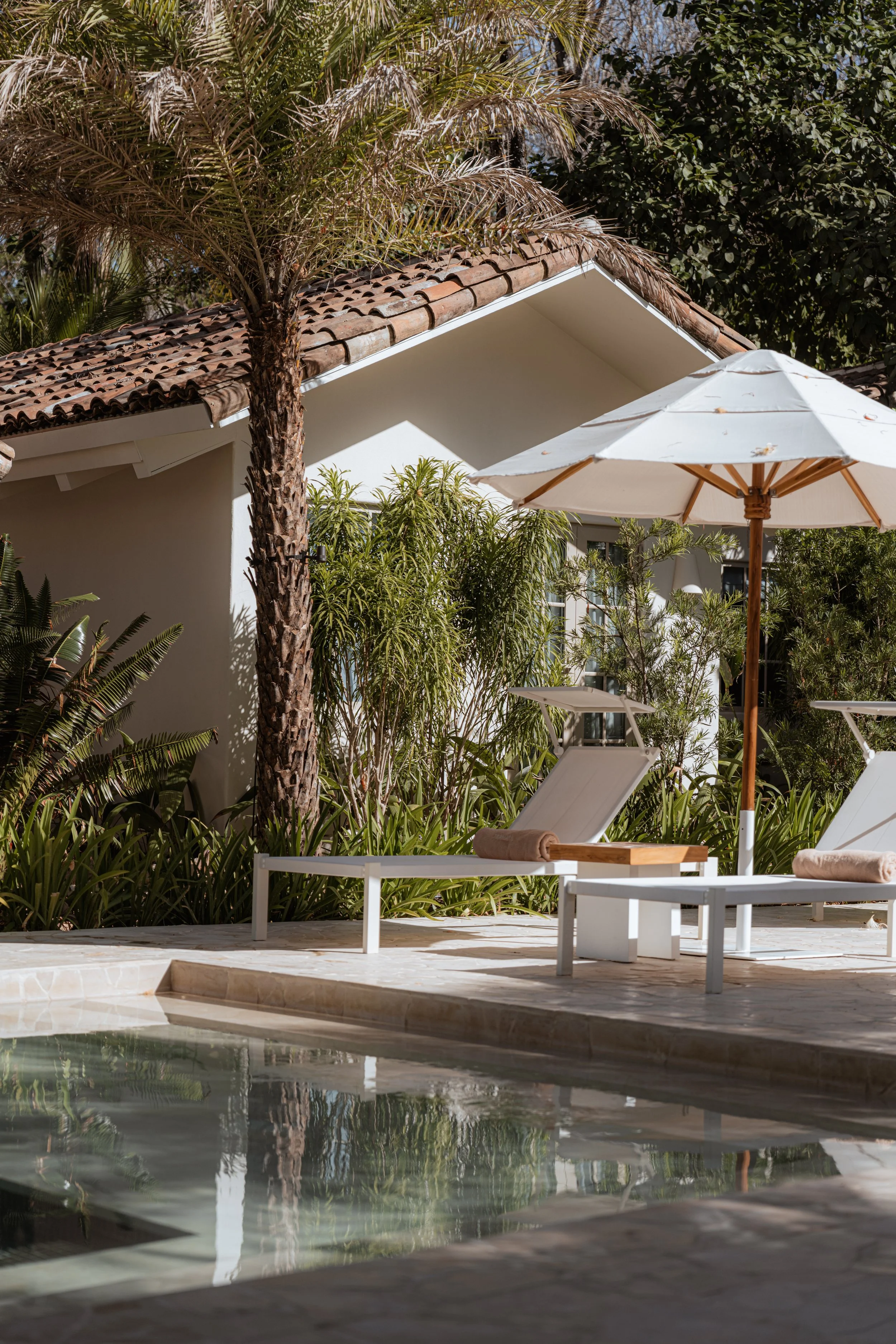
❋ guided by the wavesFermata is conceived as a beachfront architecture where the ocean defines the spatial experience. The hotel frames views, circulation, and program around the rhythms of the sea. Positioning the ocean as the central element of the design.❋ organic circulation and spatial flowMovement through the project is defined by a network of pathways that follow a natural logic across the site. These circulation routes create a sequence of moments guiding guests through spaces of discovery, connection, and transition between built and open environments.❋ integration with natural landscapeThe architecture is carefully woven into the existing site conditions, preserving mature trees and allowing the built environment to coexist with the surrounding vegetation. Rather than imposing on the landscape, the project creates an immersive relationship between architecture and nature.❋ indoor and outdoor experienceEach space is designed with a strong connection to the exterior, emphasizing openness, flexibility, and cross-ventilation. Creating a continuous relationship between rooms, terraces, and the surrounding landscape.