
What’s next in sustainable architecture
Sustainable architecture is changing quickly. Through 2026 and into 2027, a few clear shifts are redefining what a good building is expected to do.
At our studio, we are already seeing these shifts in our own work, whether the site is a hillside or a city block. Here is what is next ↓
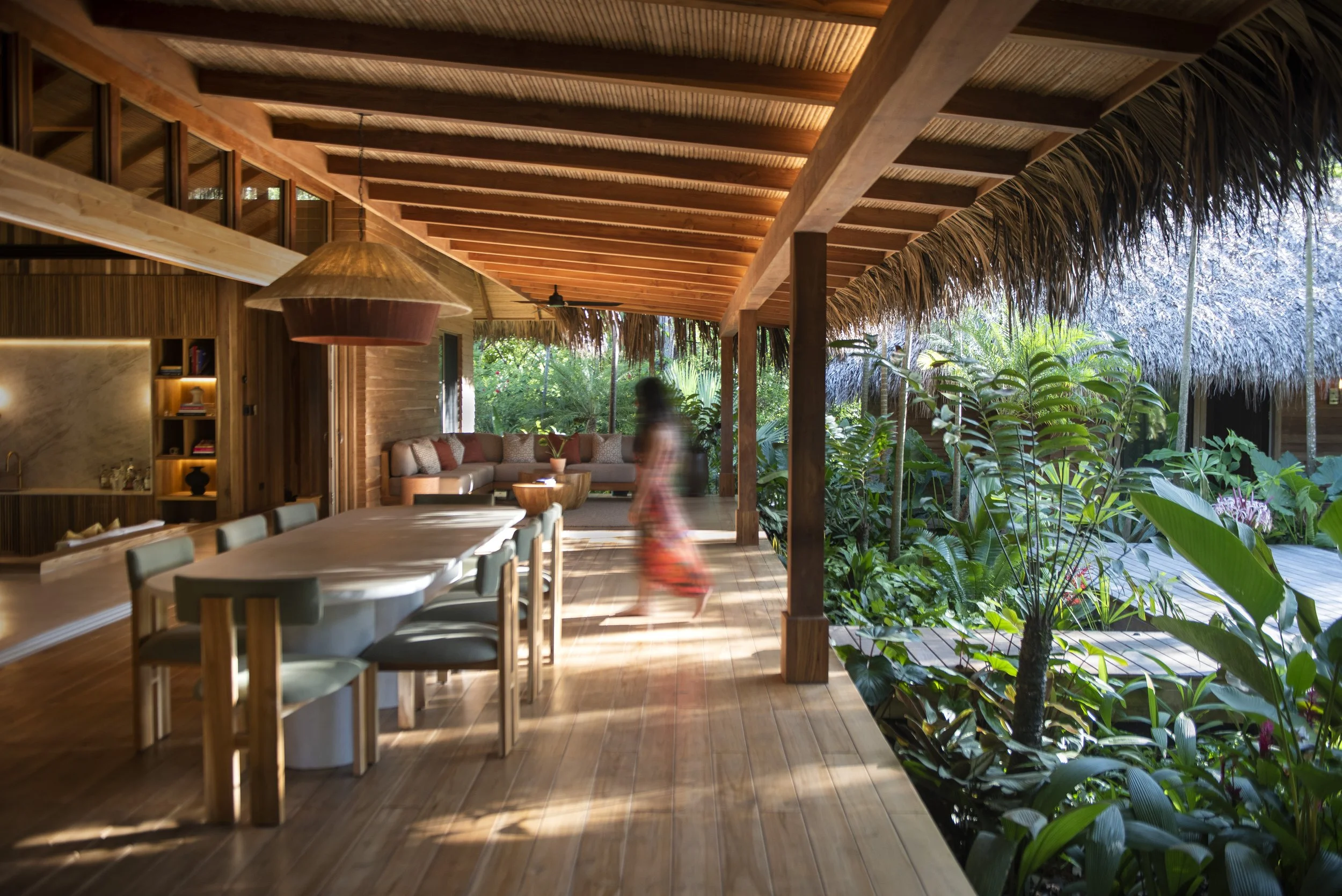

Passive cooling leads the design
Climate-responsive design is no longer an extra. Architects now shape the building itself to handle heat before any mechanical system runs. That means orientation, shading, deep roof overhangs, and cross-ventilation. The payoff is real. A home designed around its microclimate can cut heating and cooling demand, and planted roofs and green facades can lower the temperature around a building.
In a tropical climate, this decides whether a house struggles against the sun or works with it. In the city, the same principles help buildings stay cooler and depend less on air conditioning.
❋
Materials with a lower carbon cost
What buildings are made of is changing fast. Local stone, bamboo, and bio-based insulation are moving from pilot projects into everyday use. Prefabricated and modular parts are spreading too, which trims waste and shortens time on site.
Reuse matters just as much.
Restore existing structures instead of demolishing them.
Choose materials that can be taken apart and used again.
Favor finishes with a short, local supply chain and a long life.
Designing for a second life, so a building comes full circle, is becoming standard practice.

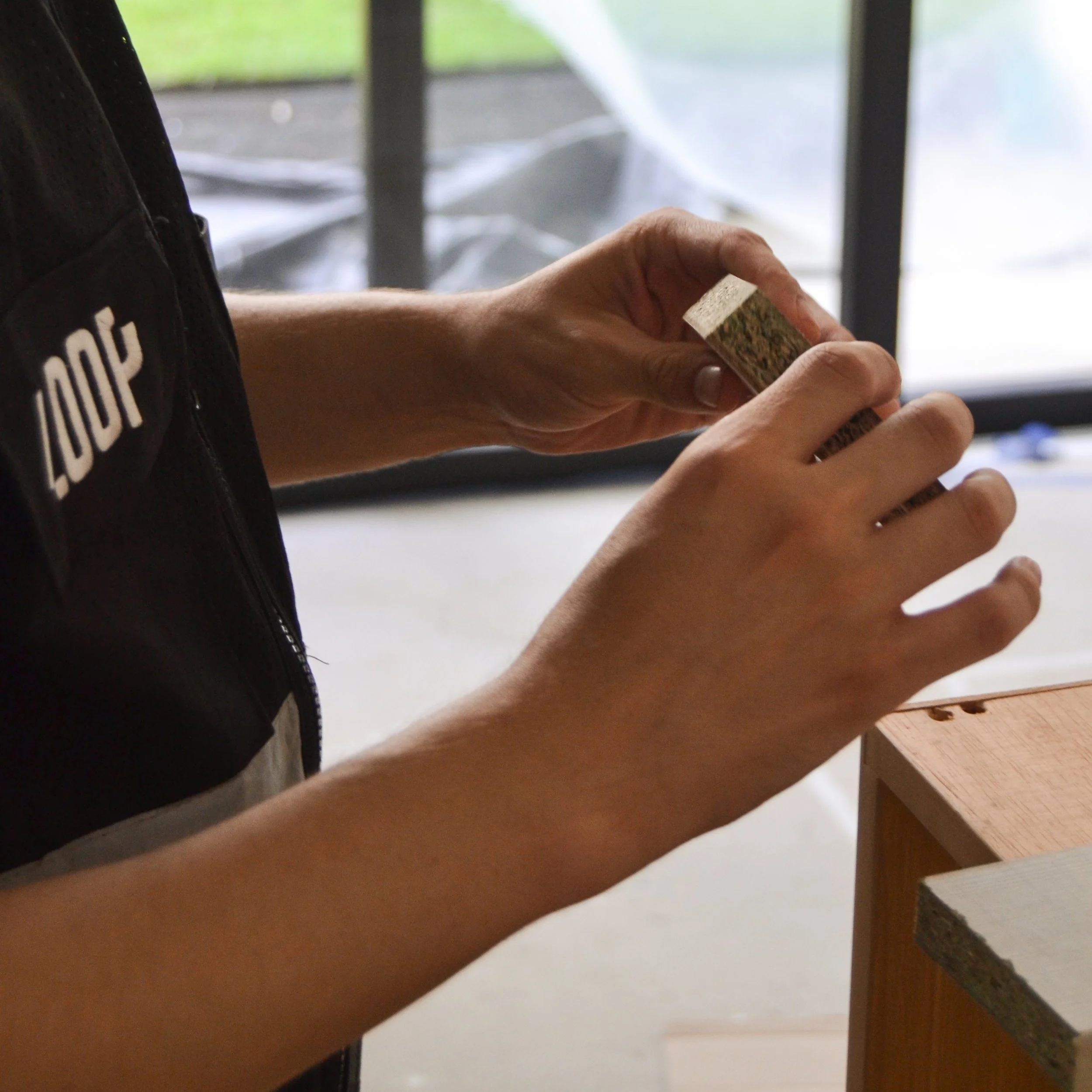

Homes designed for wellbeing
Comfort is now a measured outcome, not a vague feeling. Neuroarchitecture and biophilic design study how light, sound, texture, and views affect the people inside. Natural light, clear views to greenery, and tactile materials are linked to gains in wellbeing and focus of 8 to 15 percent. This is the thinking behind every project we take on, where wellbeing guides how we design.

From net-zero to net-positive
The ambition keeps rising. Rather than only reducing harm, more projects now aim to give back by cleaning air, capturing carbon, and restoring the land around them. Net-positive is the new reference point.
It asks more of a design, and it stays honest, because no building is free of impact.
These changes already guide our work, where every space is crafted as a direct response to its surrounding terrain.
If you are planning a home that works with these ideas, tell us about your land.