Designing for wellness: How architecture shapes how we feel
Wellness has become one of the defining forces in architecture and hospitality today, and at LOOP, it is not a trend we are chasing. It is a principle we have built into, quite literally, every project we design.
For us, wellness in architecture is not a spa or a yoga deck added at the end of a plan. It starts earlier, in the orientation of a building, the way air moves through a room, the material under bare feet, the view that meets you the moment you wake up. Good architecture, done with intention, is one of the most direct ways to support how a person feels, physically and mentally, inside a space.
What does wellness architecture actually mean?
Wellness architecture is design that puts human wellbeing at the center of every decision: natural light, airflow, movement, connection to the outdoors, and materials that feel good to be around. It draws from biophilic design, the idea that people are healthier and calmer when they are close to nature, even indoors.
In practice, this looks like operable windows instead of sealed glass, courtyards that pull breeze through a home, native materials like bamboo and reclaimed wood, and architecture with clear sightlines to trees, water, or sky. It is less about adding wellness amenities and more about removing the barriers between people and the natural conditions around them.
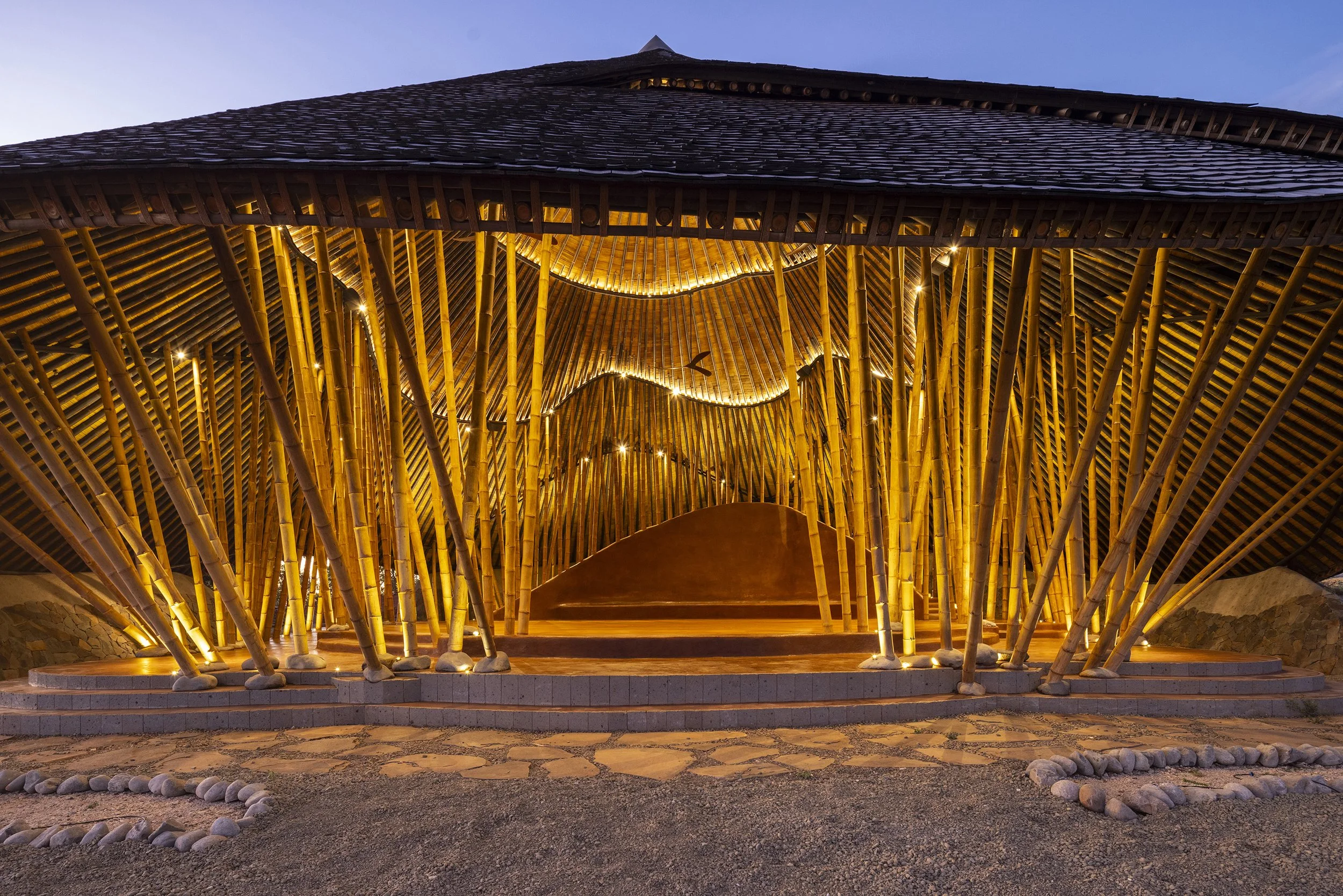
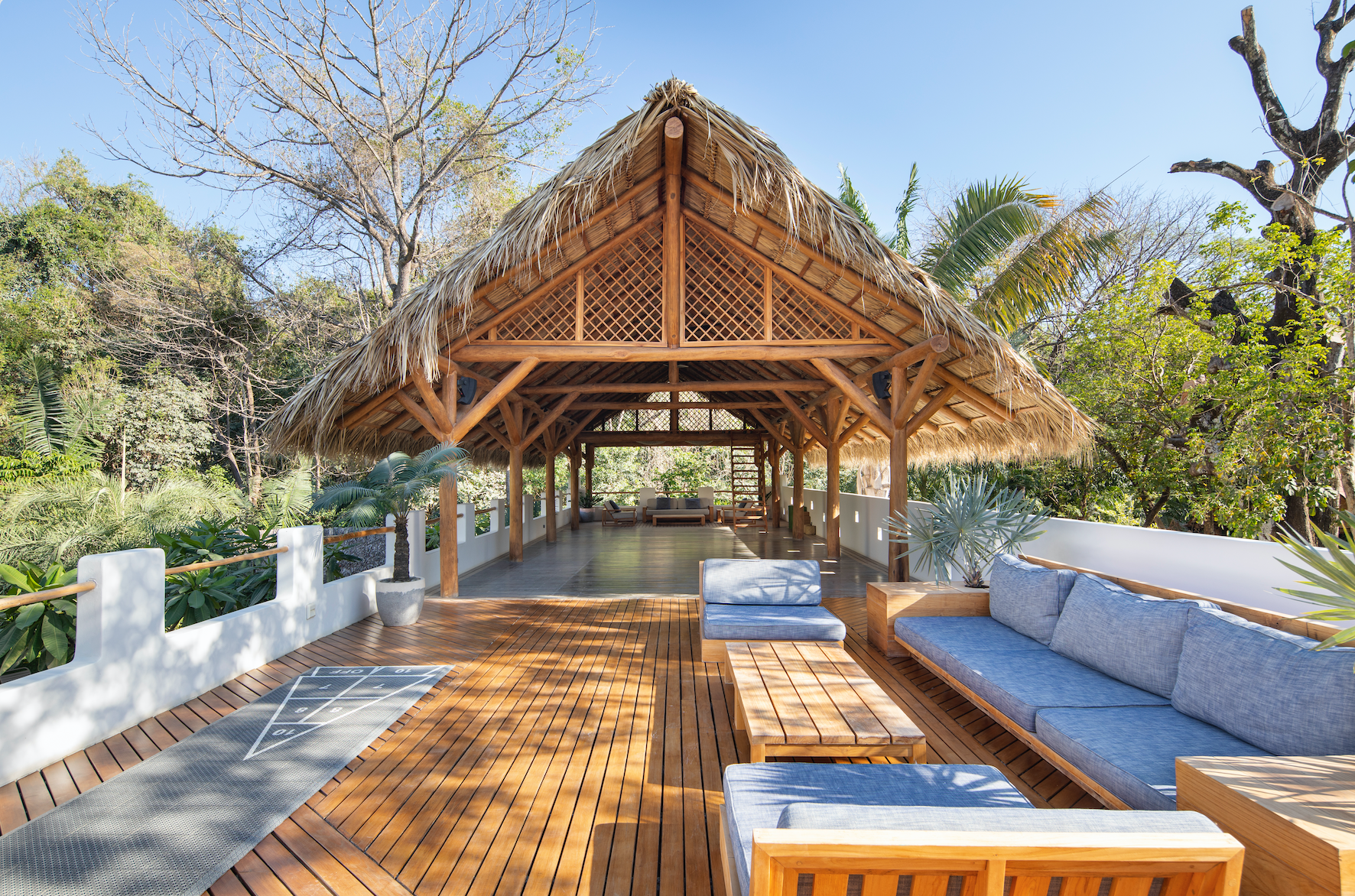
Maloca – Tierramor. Nosara, Costa Rica.
Why wellness and sustainability are the same conversation
At LOOP, we do not separate wellness from sustainability. They come from the same design questions: How does this building respond to its climate? How much energy does it take to keep people comfortable? What does it feel like to live inside it, day after day?
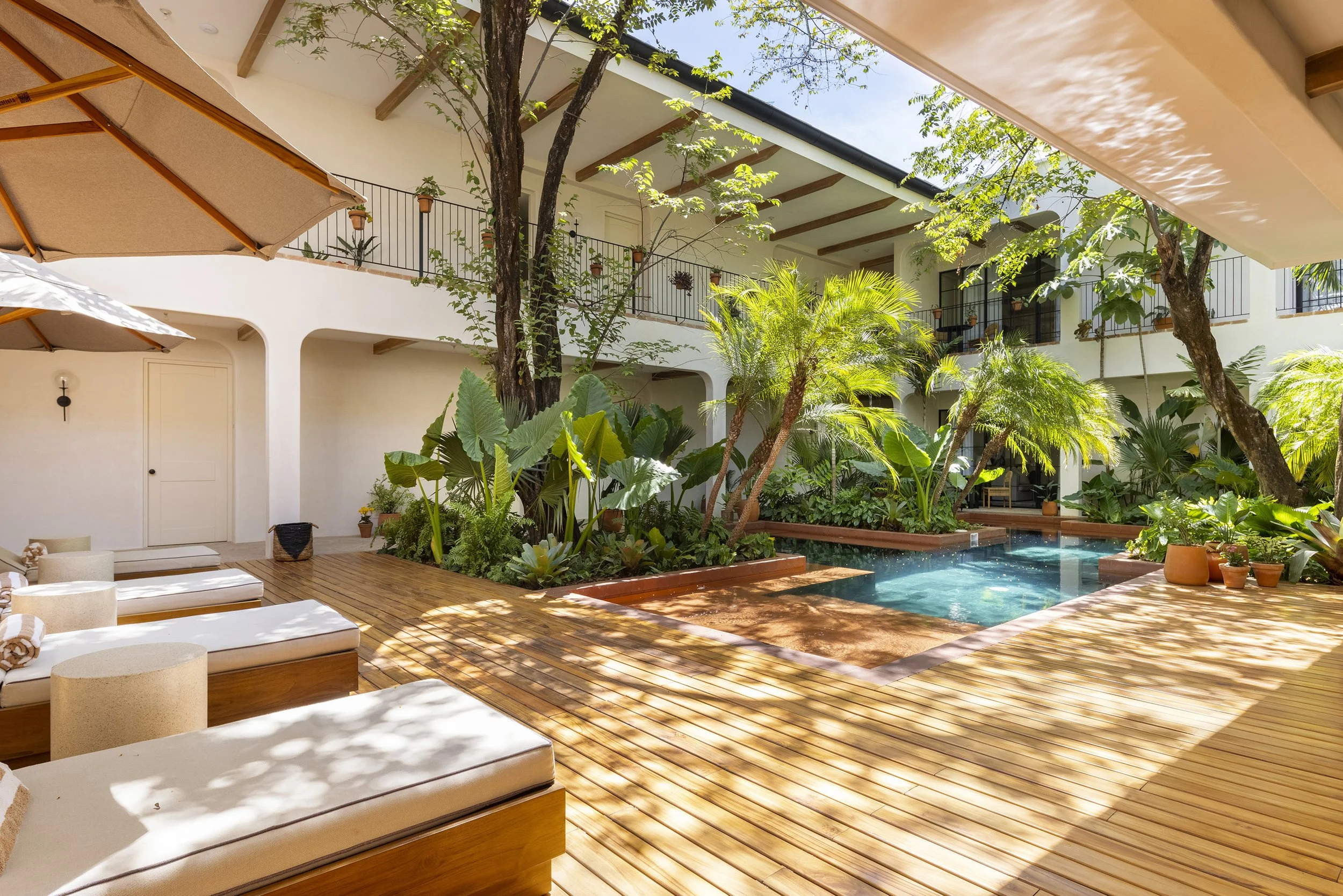
Passive design strategies, cross ventilation, deep overhangs, shaded courtyards, orientation to prevailing wind, reduce a building's dependence on air conditioning while making interiors more pleasant to inhabit. Natural and local materials lower embodied carbon while aging with texture and warmth instead of wearing out. A pool positioned to catch afternoon light does double duty: it lowers energy needs for heating and turns into the best room in the house.
Wellness, done this way, is not a luxury layered on top of sustainable design. It is the outcome of it.
Wellness in practice: projects rooted in this idea
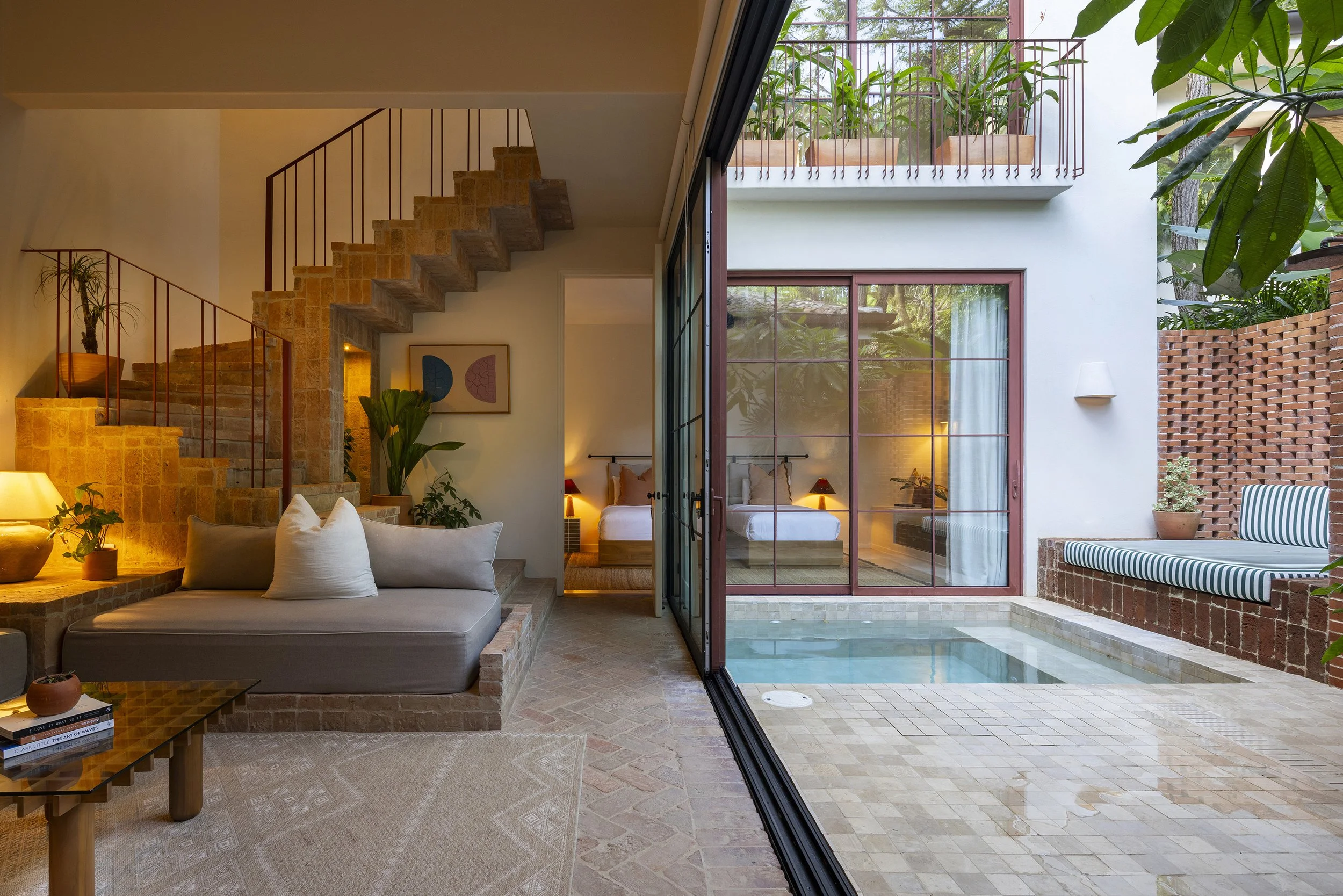
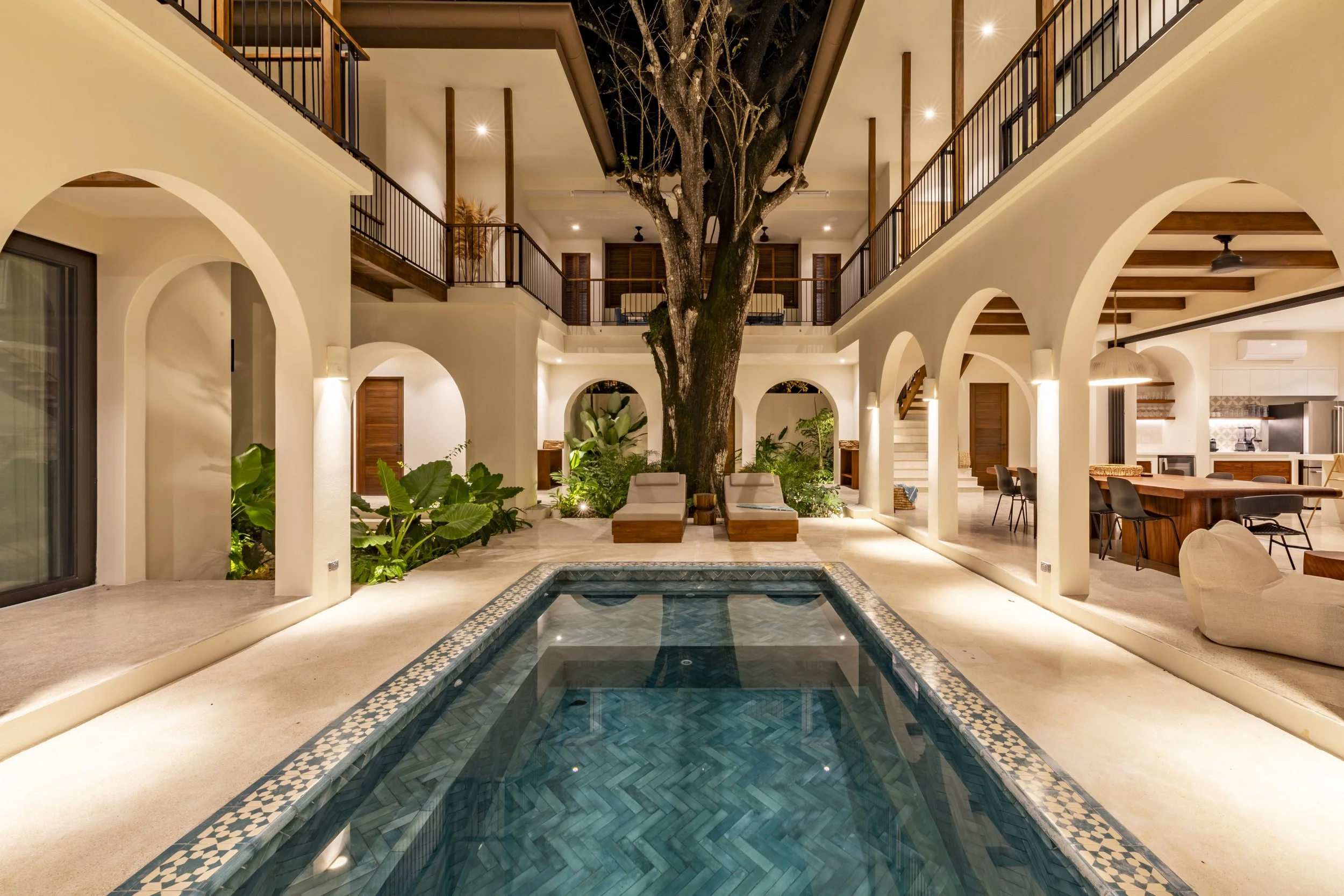
Why this matters now
Costa Rica has long been a reference point for a life built around nature, and wellness-driven design is a natural extension of that identity. As more travelers and homeowners look for spaces that actively support how they feel, architecture that is both sustainable and restorative is no longer a niche request. It is becoming the standard people expect.
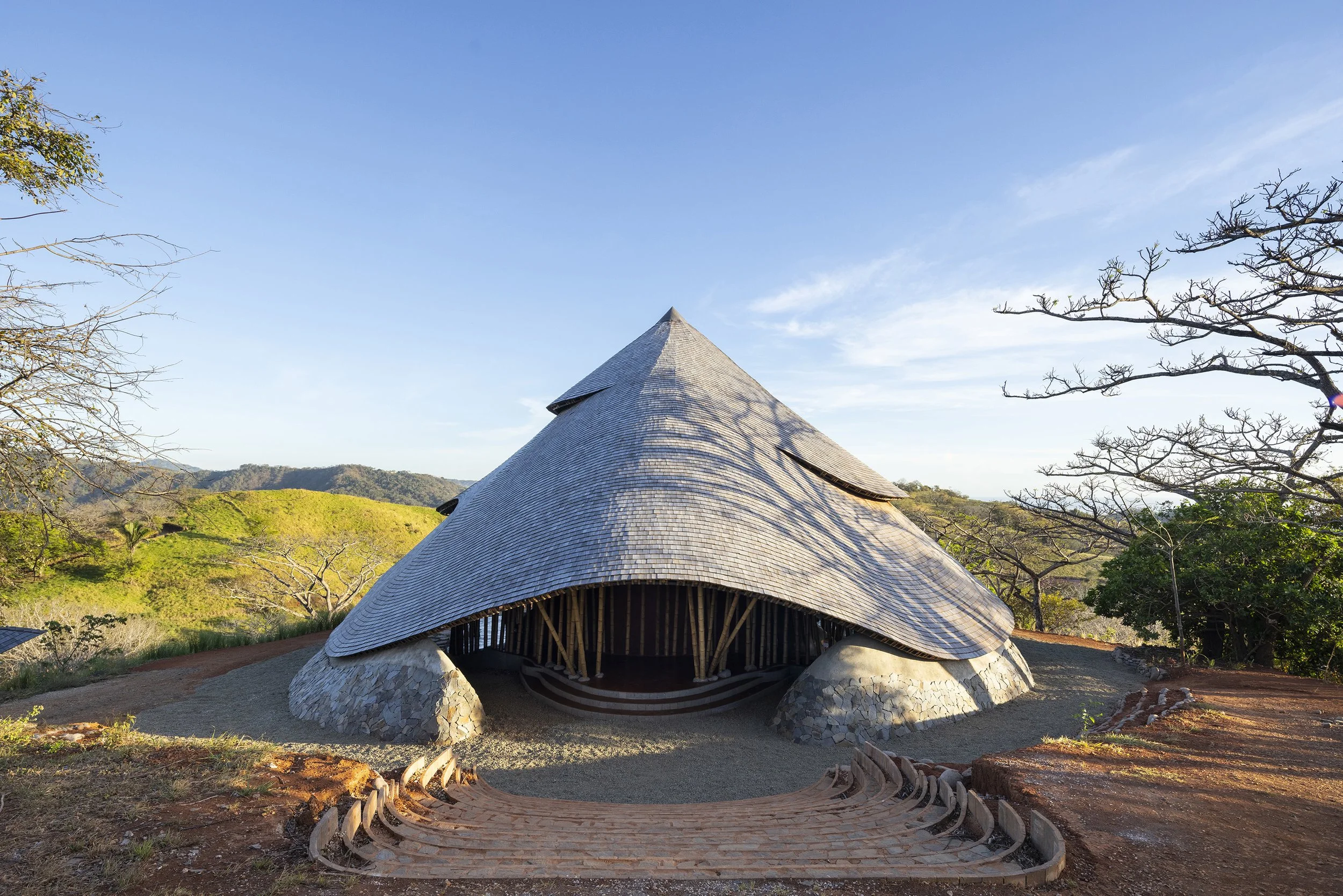
While Costa Rica is where this thinking took shape for us, it is not bound to one place. Climate, light, and site conditions change from region to region, but the underlying approach, designing with nature instead of against it, translates anywhere. We work internationally, and the same principles that guide a bamboo pavilion in Nosara can inform a courtyard house in a different climate or a hospitality project on another coast entirely.
At LOOP, this is the throughline across our residential and hospitality work: architecture that takes care of people because it was designed to take care of the place they are in.
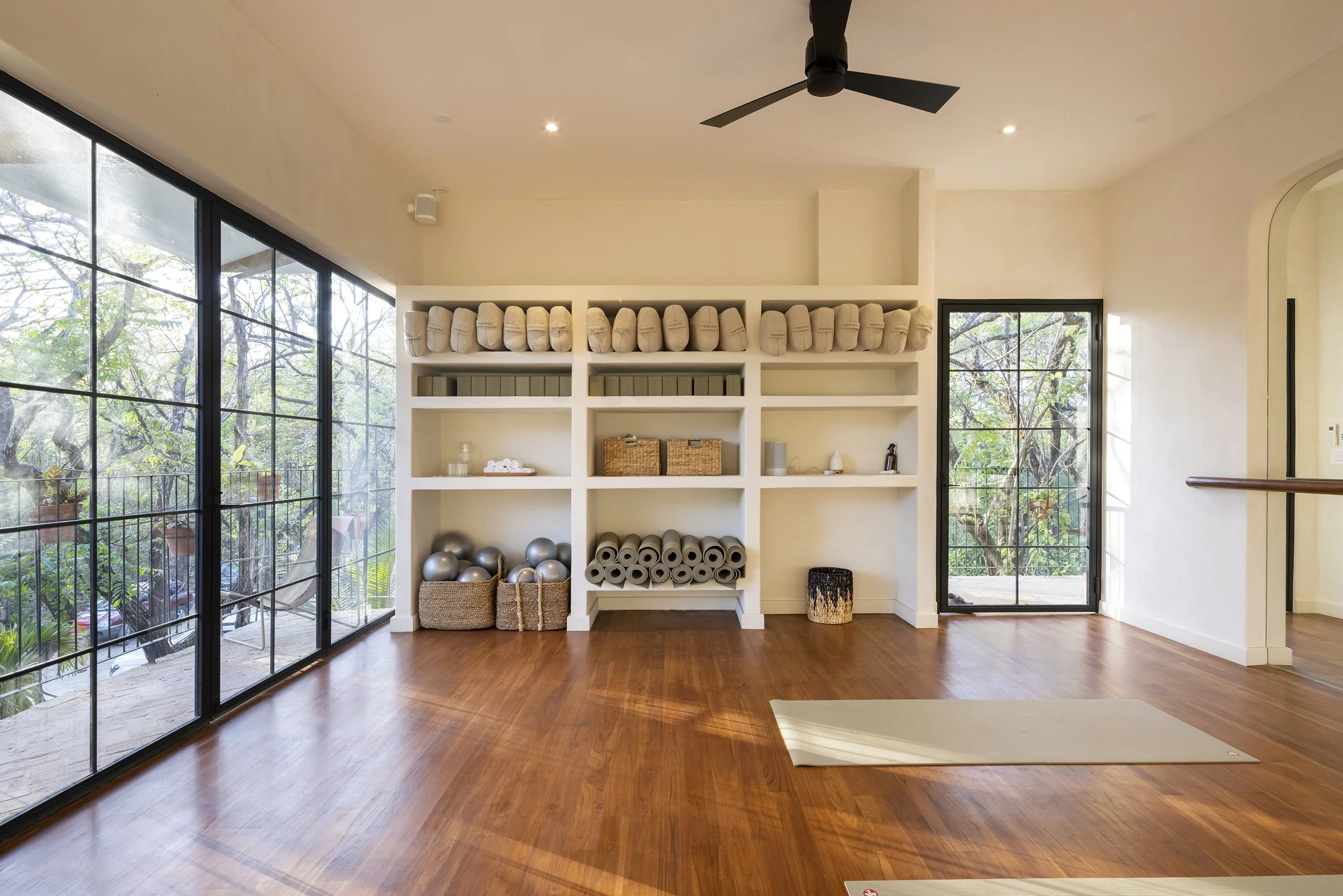
Yoga wellness space – Sendero Hotel. Nosara, Costa Rica.